
Anointing Oil vs. Perfume: What's the Difference?
Anointing oil vs perfume is a real distinction in Scripture, not a marketing one — Exodus 30 explicitly restricts one and leaves the other free for anyone to wear.
Perfume in the Bible, and what it still means to wear it.
Anointing oil vs perfume is a real distinction in Scripture, not a marketing one — Exodus 30 explicitly restricts one and leaves the other free for anyone to wear.
Biblical scents show up more often than most readers notice — named in purification rituals, love poetry, royal garments, and a warning about a stranger's perfumed bed. Here's a working guide.
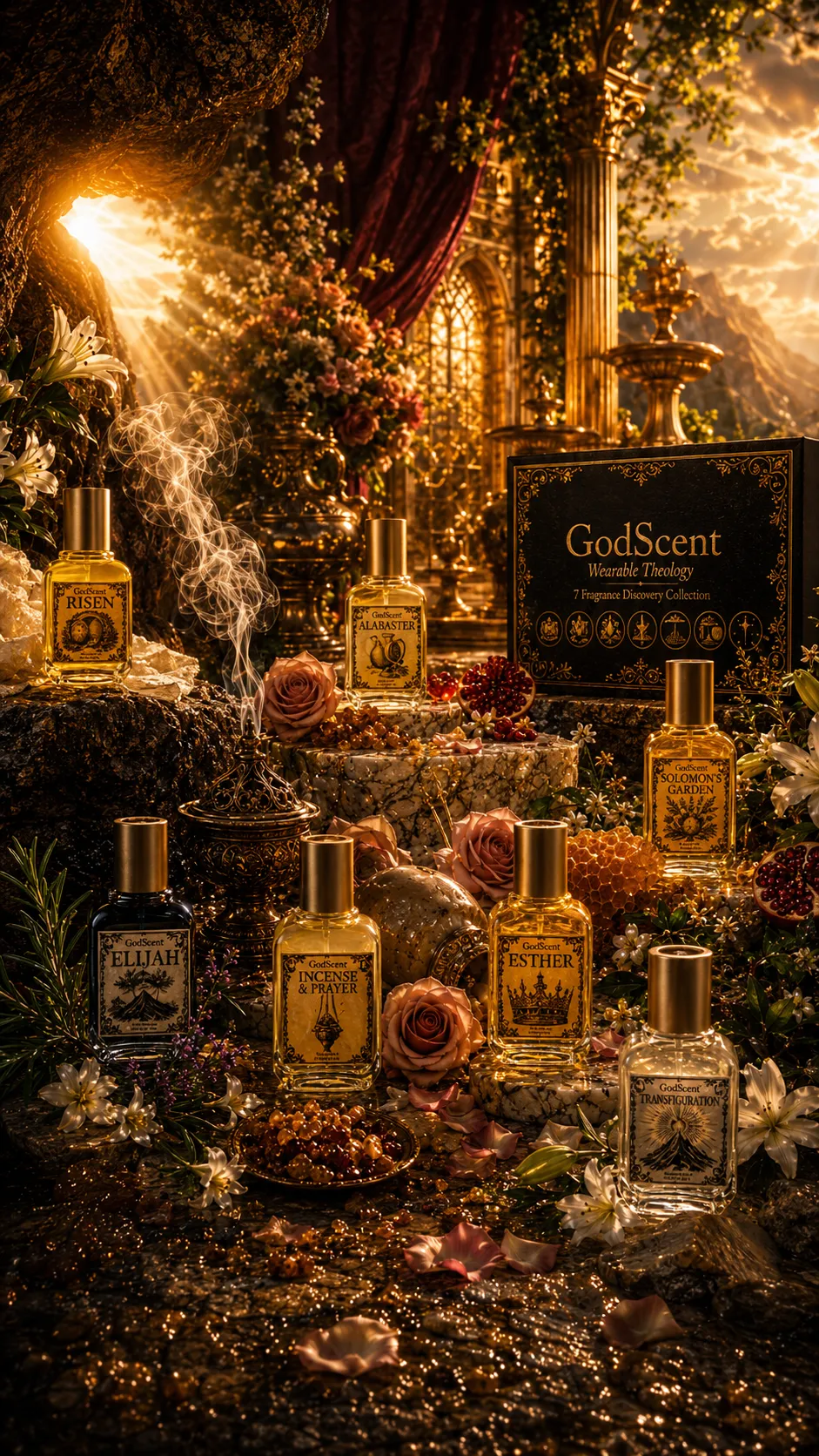
The fragrance of Christ, in Paul's own words to the Corinthians, is not a compliment. It's a smell that means life to some people and death to others — and it's the verse GodScent is named after.
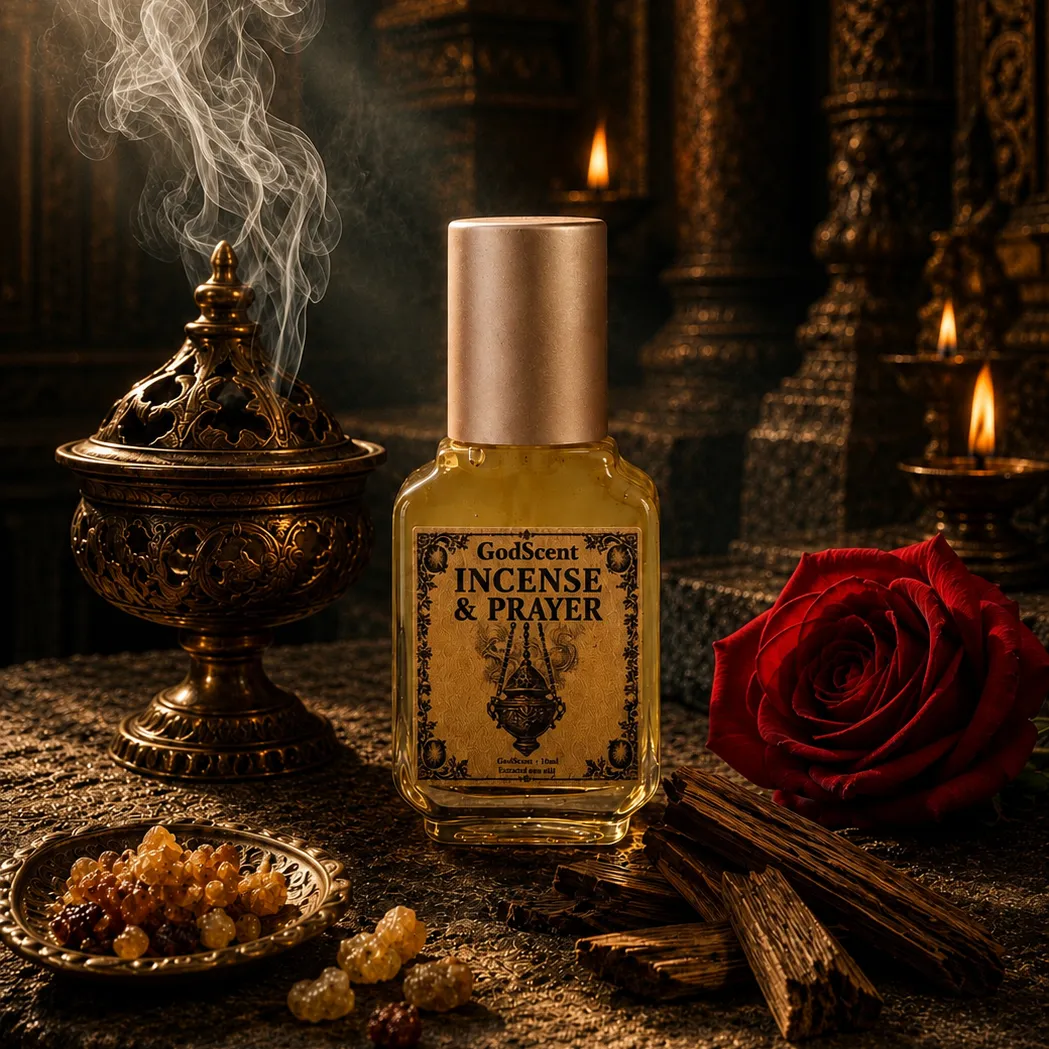
The frankincense and myrrh meaning behind the magi's gifts to a newborn king runs deeper than luxury — one points to worship, the other to burial, and Scripture keeps them mostly separate.
Perfume in the Bible is not a footnote — it runs from a garden in Eden's aftermath to an empty tomb, through more than forty passages naming specific fragrances, oils, and incense. Here is the whole sweep, in one place.
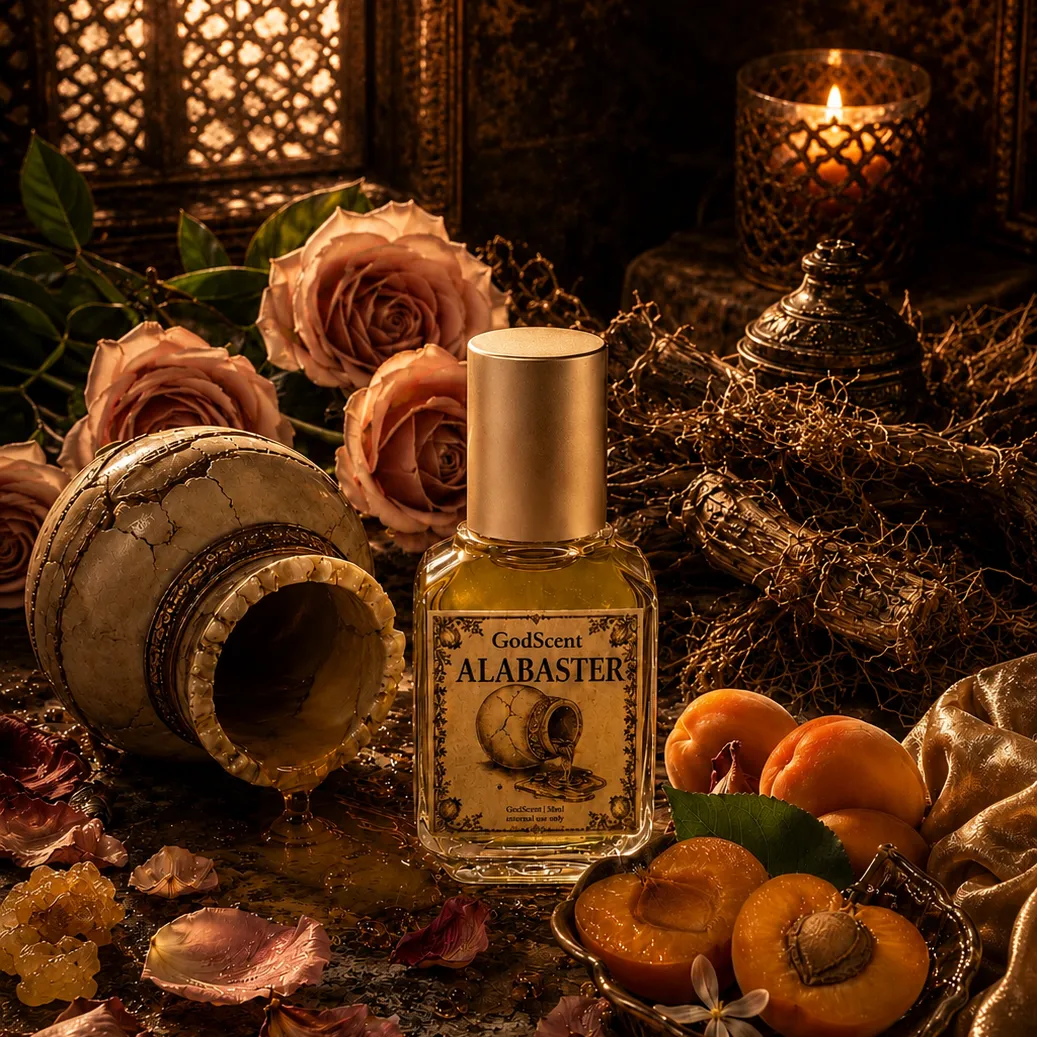
Spikenard in the Bible appears at a dinner in Bethany, poured from a broken alabaster jar — the most extravagant gift the Gospels record, and the one that named GodScent's first fragrance.